


Premium Quality Black Seed Oil (Nigella Sativa Seed Oil / Kalonji Oil) for Global Markets
Origin and Global Recognition of Premium Black Seed Oil
Premium quality black seed oil, also known as Nigella sativa seed oil or kalonji oil, is a highly valued natural oil extracted from carefully selected Nigella sativa seeds. Known globally as black seed, black cumin, black caraway, or Roman coriander, this oil has been used for centuries across Asia, the Middle East, Africa, Europe, and the United States. With growing awareness of plant-based wellness products and natural oils, demand for authentic, cold-pressed black seed oil continues to rise in both traditional and modern applications.
Nigella sativa seed oil is widely respected for its distinctive aroma, pungent taste, and rich bioactive composition. In Middle Eastern culture, it is traditionally known as Habbat Al Barakah, meaning “the Blessed Seed,” a name that reflects its long-standing use in traditional wellness systems. Today, premium-grade black seed oil is increasingly sought after by nutraceutical brands, cosmetic manufacturers, and herbal product companies looking for authenticity, purity, and consistent quality.
 Click Now!
 What Is Kalonji/Nigella Sativa Seed Oil?
Kalonji oil is derived from the seeds of the flowering plant Nigella sativa, which belongs to the Ranunculaceae family. The name Nigella originates from the Latin word “niger,” meaning black, referring to the deep black color of the seeds. These seeds are known by different names across regions, including black cumin (kalo jeera), fennel flower, nutmeg flower, and Roman coriander.
Authentic Nigella sativa seed oil is easily identifiable by its dark amber to brownish color, strong aroma, and naturally bitter taste. This bitterness is considered a key indicator of purity and potency, especially when the oil is produced using traditional cold-pressed methods without refining or chemical processing.
Origin and Cultivation of Nigella Sativa Seeds
Nigella sativa is native to Southwest Asia but is now cultivated in various regions including India, the Middle East, North Africa, parts of Europe, and North America. The quality of black seed oil depends heavily on the origin of the seeds, climatic conditions, soil quality, and harvesting practices. Seeds grown in dry climates with well-drained soil typically yield oil with higher aromatic intensity and better bioactive composition.
For premium quality black seed oil, seed purity is critical. Carefully selected, mature Nigella sativa seeds ensure higher oil yield, stronger sensory characteristics, and better stability. Inferior or mixed seeds can negatively impact aroma, taste, and overall oil performance, especially in nutraceutical and cosmetic applications.
Cold-Pressed Extraction of Premium Black Seed Oil
The extraction method plays a decisive role in determining the quality of Nigella sativa oil. Premium black seed oil is generally obtained through cold-pressed extraction, a mechanical process that presses the seeds at controlled low temperatures. This method avoids the use of chemicals and excessive heat, helping preserve the oil’s natural composition.
Cold pressing retains essential fatty acids, thymoquinone, volatile oils, and antioxidants that are naturally present in Nigella sativa seeds. Unlike refined oils, cold-pressed black seed oil maintains its original aroma, color, and bitterness, making it suitable for wellness-focused formulations and traditional uses.
Bioactive Composition and Nutritional Profile
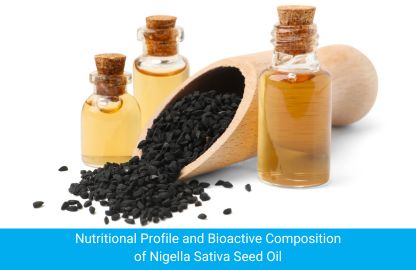
Premium quality Nigella sativa seed oil contains a unique blend of naturally occurring compounds that contribute to its functional value. One of the most important components is thymoquinone, which is widely studied for its antioxidant properties. In addition to thymoquinone, the oil contains beneficial fatty acids such as omega-6 (linoleic acid) and omega-9 (oleic acid), along with trace amounts of essential oils and natural antioxidants.
The exact composition of black seed oil can vary depending on seed origin, cultivation practices, and extraction techniques. This variation makes quality control and consistent sourcing especially important for exporters and bulk suppliers.
Our Other Product
Guar Gum PowderSensory Characteristics of Authentic Black Seed Oil
Genuine Nigella sativa oil is characterized by a strong, pungent aroma and a sharp, bitter taste. These sensory traits are often misunderstood but are considered positive indicators of authenticity. Oils that lack aroma or bitterness may be refined, diluted, or adulterated, which reduces their functional value.
In professional sourcing and quality assessment, sensory evaluation is often combined with laboratory analysis to confirm purity and consistency. For manufacturers and formulators, maintaining these natural characteristics is essential for delivering high-quality end products.
Traditional and Modern Wellness Applications
Historically, black seed oil has been used as a general wellness-supporting oil rather than a targeted treatment. In traditional systems, it has been associated with digestive comfort, respiratory wellness, and overall vitality. In modern applications, Nigella sativa oil is commonly positioned as a natural ingredient that supports balanced wellness routines.
Due to regulatory considerations, especially in international markets, black seed oil is typically marketed with a focus on traditional use, nutritional value, and general health support rather than specific medical claims.
Industrial Uses of Nigella Sativa Seed Oil
In the nutraceutical industry, premium black seed oil is widely used in capsules, softgels, and liquid supplements. Consistency in quality, thymoquinone content, and stability is essential for such applications. In food use, the oil is generally consumed in small quantities due to its strong taste and is more common in traditional diets than mainstream cooking.
The cosmetic and personal care industry also uses Nigella sativa oil in hair oils, scalp treatments, skin creams, serums, soaps, and massage oils. Its nourishing and conditioning properties make it suitable for natural and herbal cosmetic formulations. Additionally, black seed oil continues to be an important ingredient in traditional herbal and Unani preparations.
Importance of Premium Quality in Export Markets
Premium quality black seed oil offers better stability, authentic sensory characteristics, and consistent performance across applications. High-quality oil retains its natural bioactive compounds, has a longer shelf life, and is better accepted in regulated international markets.
For exporters and bulk buyers, premium-grade oil reduces formulation challenges and enhances brand credibility. Reliable quality also ensures smoother compliance with international documentation and testing requirements.
Quality Parameters for Export-Grade Black Seed Oil
Export-grade Nigella sativa seed oil is evaluated based on several technical and quality parameters. These include confirmation of cold-pressed extraction, controlled free fatty acid levels, acceptable peroxide values, verified thymoquinone content, and absence of adulteration. Proper Certificates of Analysis and laboratory reports are essential for meeting buyer expectations in global markets.
 Email Us Now!
 Packaging, Storage, and Shelf Life
To maintain quality, black seed oil should be packed in light-resistant containers such as amber glass bottles or food-grade HDPE drums. Proper storage conditions include protection from heat, moisture, and direct sunlight. When stored correctly, premium quality Nigella sativa oil generally offers a shelf life of 18 to 24 months, making it suitable for bulk supply and long-distance export.
Global Demand for Black Seed Oil
Demand for black seed oil continues to grow across Europe, the Middle East, the United States, and Asia. Increasing consumer preference for natural, plant-based oils and traditional wellness ingredients has positioned Nigella sativa oil as a high-value product in international trade. Suppliers who focus on authenticity, traceability, and consistent quality are increasingly preferred by global buyers.
Our Other Product
100% Natural sesame oilPremium Black Seed Oil Supplier - Abdullabhai Abdul Kader (Ahmedabad)
Abdullabhai Abdul Kader, based in Ahmedabad, India, is a trusted exporter of premium quality black seed oil (Nigella sativa seed oil). With strong experience in agro-based natural products, the company emphasizes authentic sourcing, controlled cold-pressed processing, and export-oriented quality standards. We supply kalonji oil that meets international buyer expectations for nutraceutical, cosmetic, food, and herbal applications, supported by reliable documentation and consistent product quality.

